


Permaculture mosquito control, do foggers fit?
submitted by /u/WildUncle10
[link] [comments]
Permaculture mosquito control, do foggers fit? Read More »

American Floral Endowment’s next Grow Pro webinar covers the latest research on botrytis, especially concerning continued fungicide resistance.
The post Learning Opportunity: An Update on Botrytis Research and Crop Protection appeared first on Greenhouse Grower.
Learning Opportunity: An Update on Botrytis Research and Crop Protection Read More »
Next up on my long weekend of garden touring last March (there’s a recap of our stops thus far at the bottom of this post) was the UC Botanical Garden at Berkeley. I hadn’t visited the garden since 2014 and several things had changed in those 11 years. First up was a fabulous display of xerophytic ferns near the entrance.
“We commonly associate ferns with moist habitats like forests, wetlands, and tropical rainforests, but there are actually species that thrive in desert environments.” (UCBG Berkeley website)
Truth be told dryland ferns are a big part of what pushed me into a love of ferns… it’s one thing to have a shady fern garden, but tell me that ferns can also be happy in the sun, next to an agave (or yucca) and I’m in, 100%!
I was so excited about this display that I had to photograph every fern and it’s label. I’m sure I tried the patience of my companions, Gerhard and , but I could not tear myself away. I was methodical in my documenting, and I also looked up every name online to make sure it looked reasonably like my photo as I completed this post. That said I heard from a dryland fern expert that the names assigned to these specimens were not completely accurate. Names change, people move signage, ferns are confusing and dryland ferns even more so. Still… I hope I’ve correctly identified the ferns in these photos and help to get you excited about the possibilities…
A little more than half way through…
Myriopteris wootonii (Wooton’s lace fern), Santa Cruz County, Arizona
(same)
(same)
(same)
Bommeria hispida (hairy bommara), Cochise County, Arizona
(same)
Myriopteris myriophylla (lip fern), Argentina
(same)
Myriopteris covillei (lip fern), Graham County, Arizona
So that’s their xerophytic fern collection, pretty impressive I thought. On Wednesday I’ll share my collection of dryland ferns.
Xerophytic Ferns at the UC Botanic Garden at Berkeley Read More »
The AHS Lifelong Learning Certificates are a new offering alongside the Fall 2025 AHS LIVE series and Self-Paced Online Courses.
The post New Learning Certificates and Fall 2025 Programs from the American Horticultural Society appeared first on Greenhouse Grower.
New Learning Certificates and Fall 2025 Programs from the American Horticultural Society Read More »
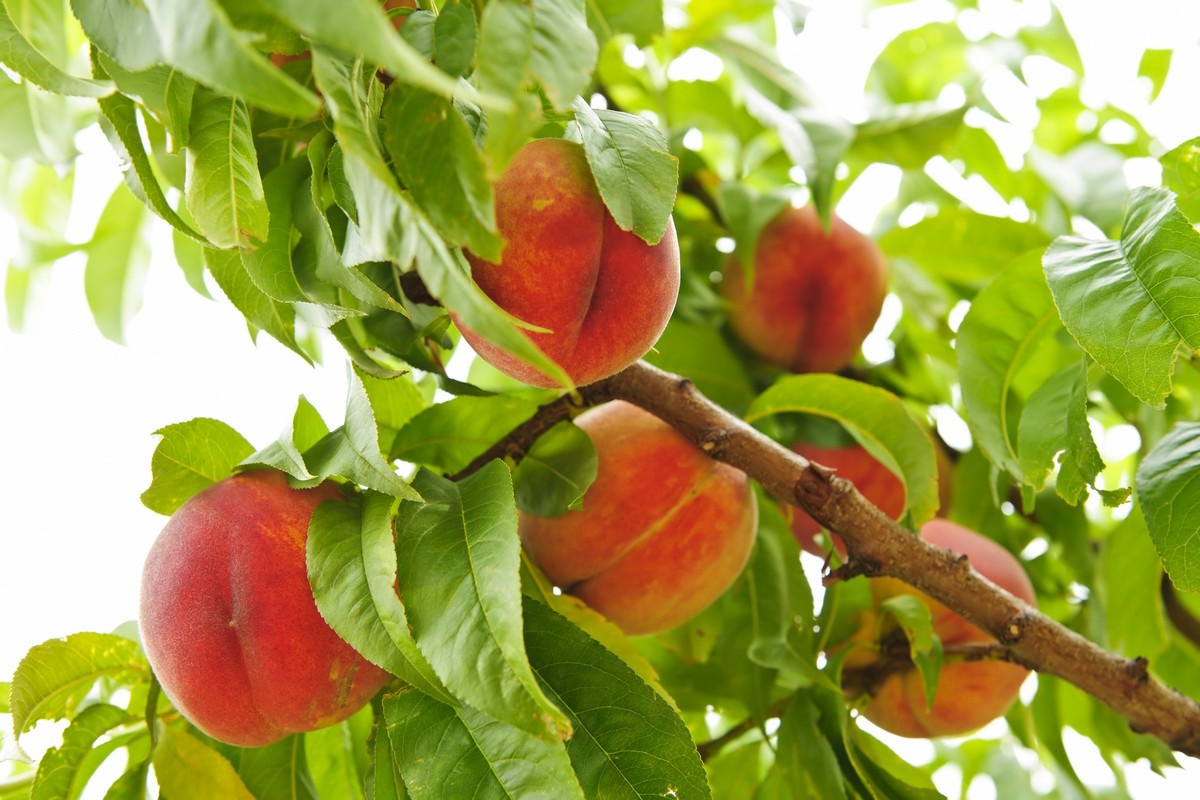
Genes born “from scratch,” known as de novo genes, can transform previously noncoding DNA into functional units that drive evolutionary novelty. A new study in peach identified 178 such genes, of which 158 are actively expressed in tissues ranging from leaves to flowers. These genes were shown to…
Looking in-depth at how peaches create new genes from scratch Read More »

The world is changing rapidly, and those who adapt, grow. WNL Horti Insulation is responding to these change with a broad portfolio, a growing number of international projects, and a strong focus on customized solutions. As part of the BOAL Group, WNL aligns with the Group’s shared international growth…
NL: New Sales Manager for WNL Horti Insulation Read More »
This week, a loss of immunity, a gain of parasites and untold stories of plant evolution.
The post The Week in Botany September 8, 2025 appeared first on Botany One.
The Week in Botany September 8, 2025 Read More »
Firstly, don’t grow things you don’t like to eat. Unless you want to swap or gift to neighbors.
Make sure you plant early and late season varieties of the same crop. Take apples for example, some crops will be ready early summer, and some will last well into Autumn. This means you won’t get a glut of apples all at once, also if you have a freak early or late storm, at least you will get some apples for the year. Also if it is a wet spring, or humid summer, you have a chance of one of the crops being just fine in regards to disease.
Check what varieties are growing well at the local farmers market in your area. Talk to growers, and see what they have success with. Understand what varieties have been fruiting well for a long time in the local area and plant that.
Put the things you use all the time, or that need constant attention close to your house. I have herbs and salad greens etc right by the back door, but also a lemon tree, and chickens not too far away either.
Sometimes things die. It’s ok. Plant something else.
If the weather permits, try and and plant things that fruit in winter too. I have new fruit varieties coming on every month. It keeps things interesting.
Just plant what you can manage. If you do too much it can be overwhelming. Slowly build up your property, it’s ok to do so. Please yourself 😊.
Happy growing!
submitted by /u/overachievingovaries
[link] [comments]
Notifications
