Hi everyone, I wanted to share a free book I just released today that is currently ranked #1 in Science History & Philosophy and #2 in Consciousness & Thought on Amazon’s free charts. It has already passed 1,000 downloads in the first few hours.
The book is called The World as a Living System. It explores how ecological collapse, social breakdown, and personal disconnection are all symptoms of the same root problem: the loss of wholeness in the systems we depend on. It is influenced by systems theory, permaculture principles, complexity science, and holistic psychology, but written in a way that is accessible to anyone interested in regeneration and living systems.
Rather than offering more control or optimization, the book invites a different way of seeing, one that recognizes interdependence, resilience, and the intelligence of nature. It might resonate with those working toward regenerative culture, community-based change, or inner transformation rooted in ecological understanding.
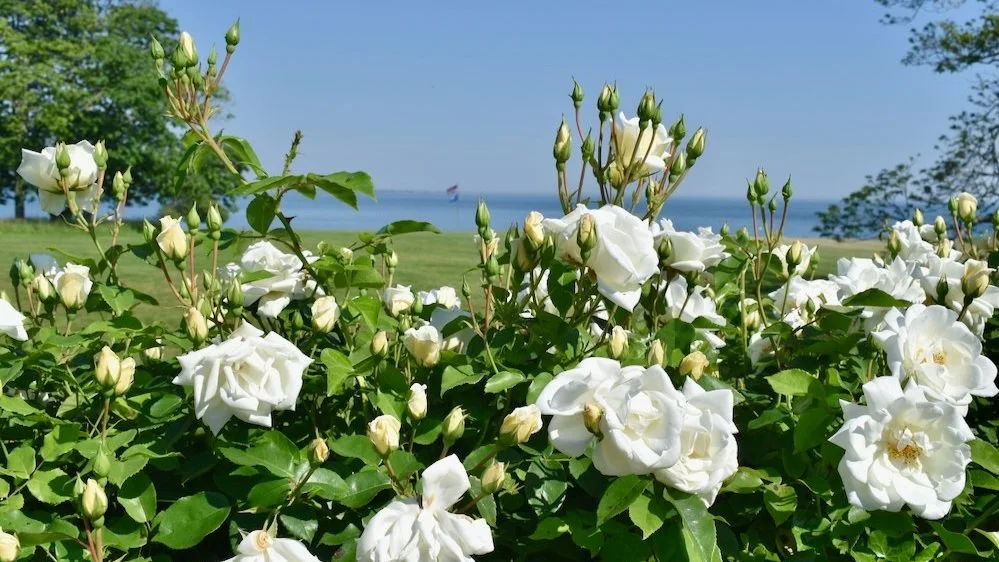
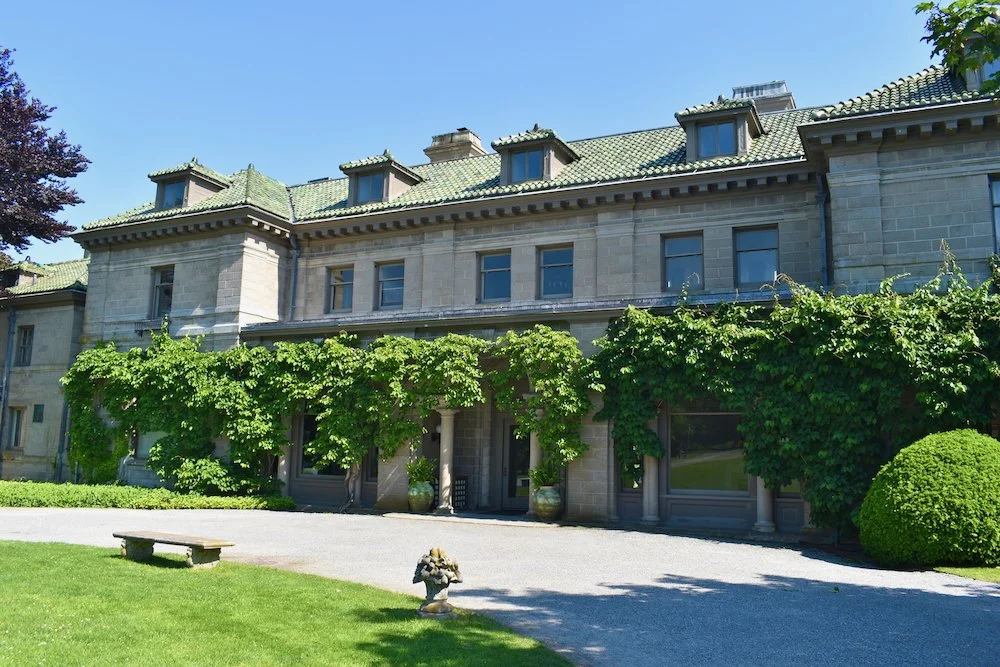
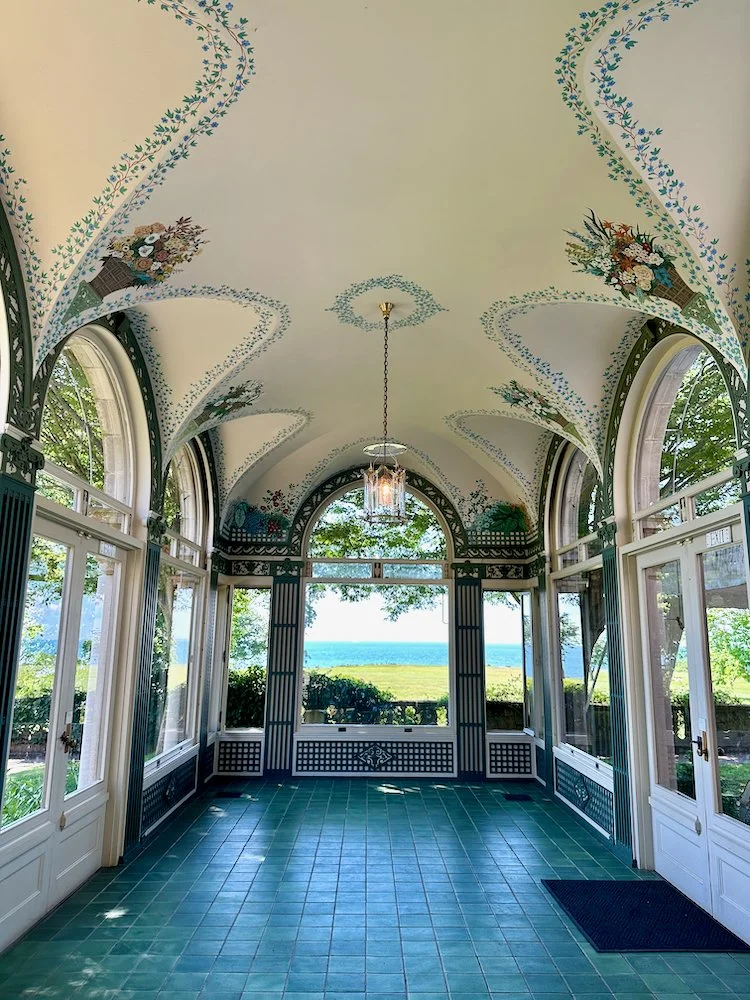
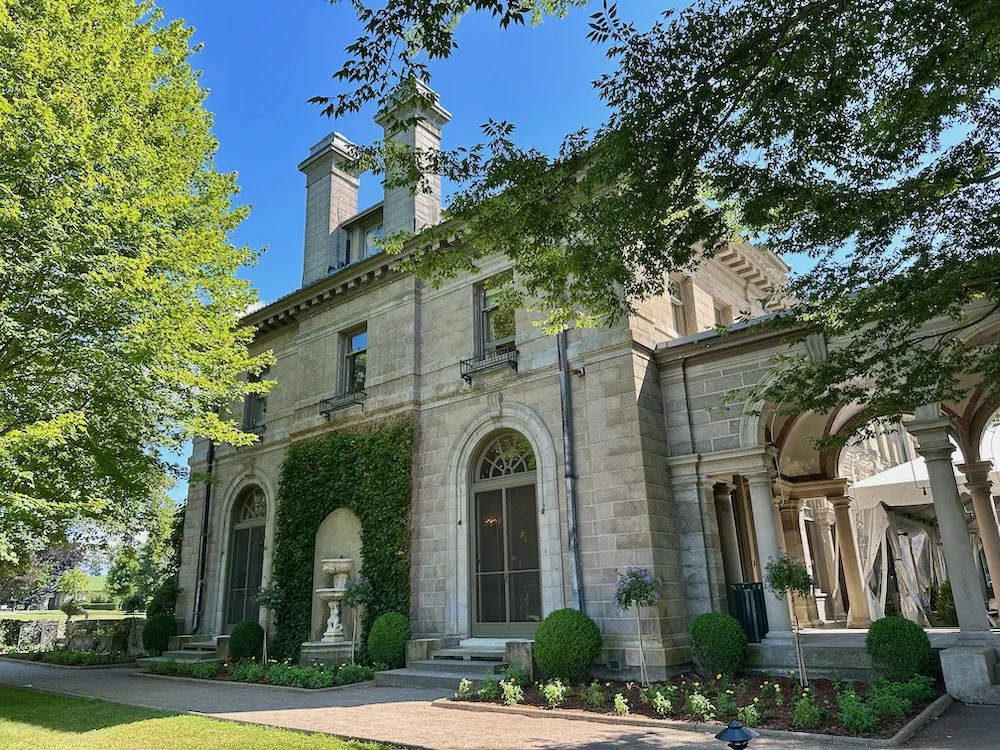
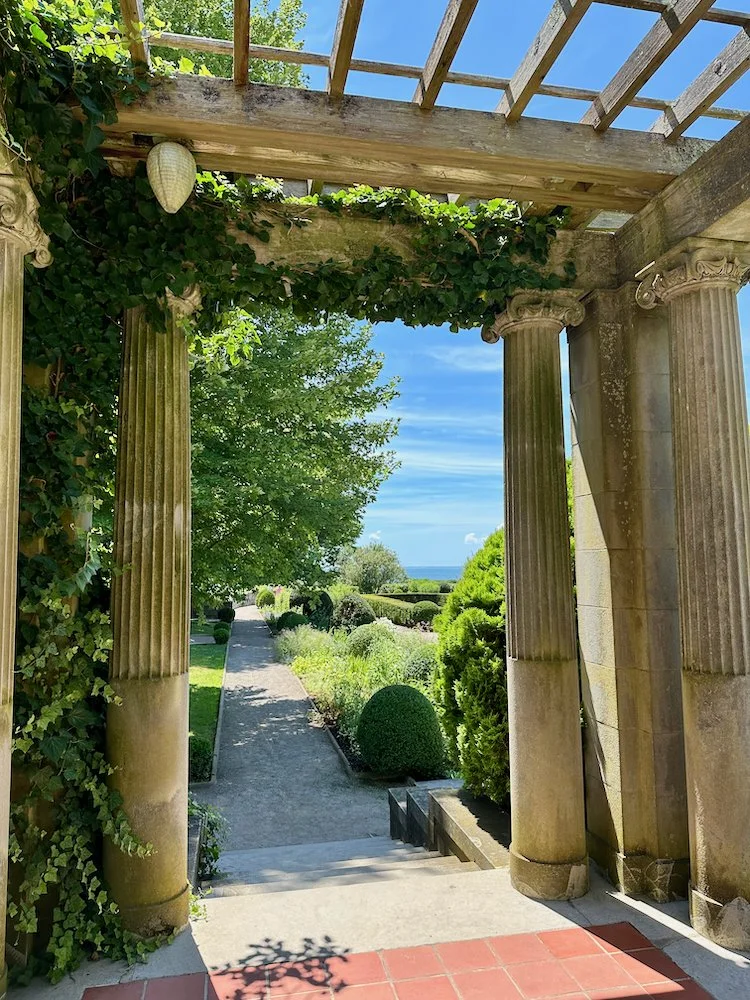
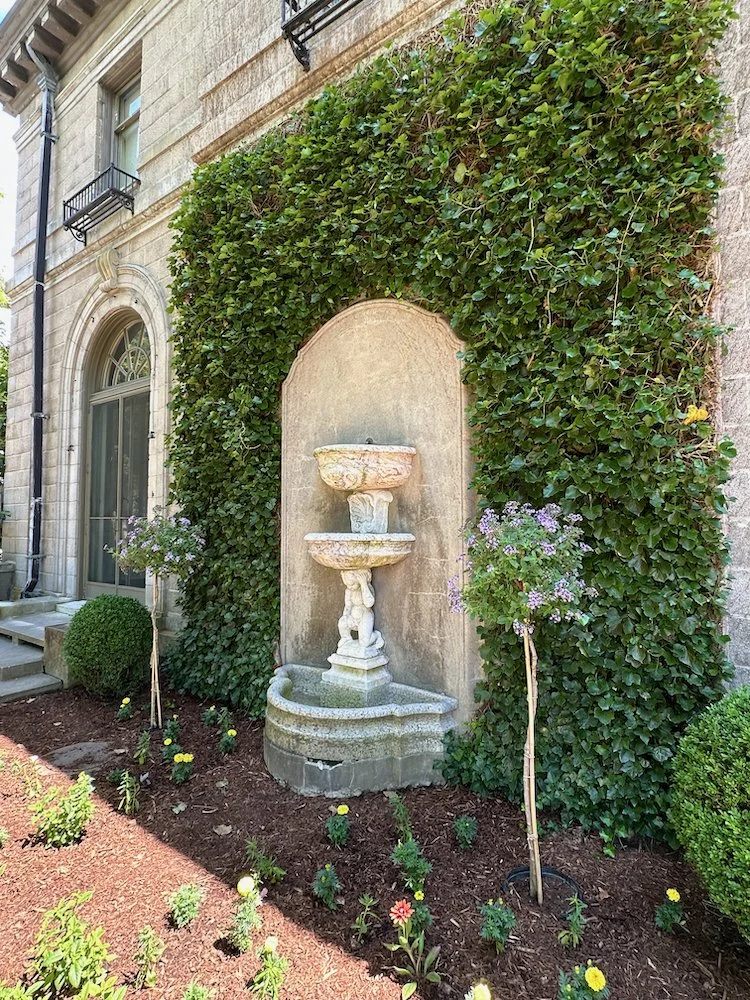
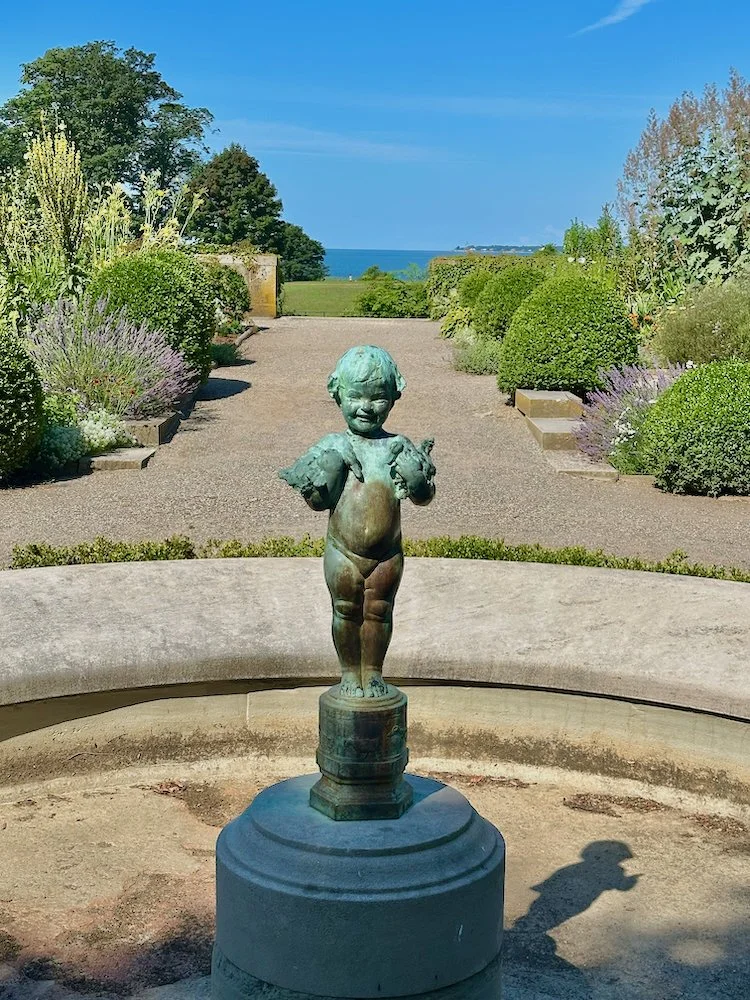
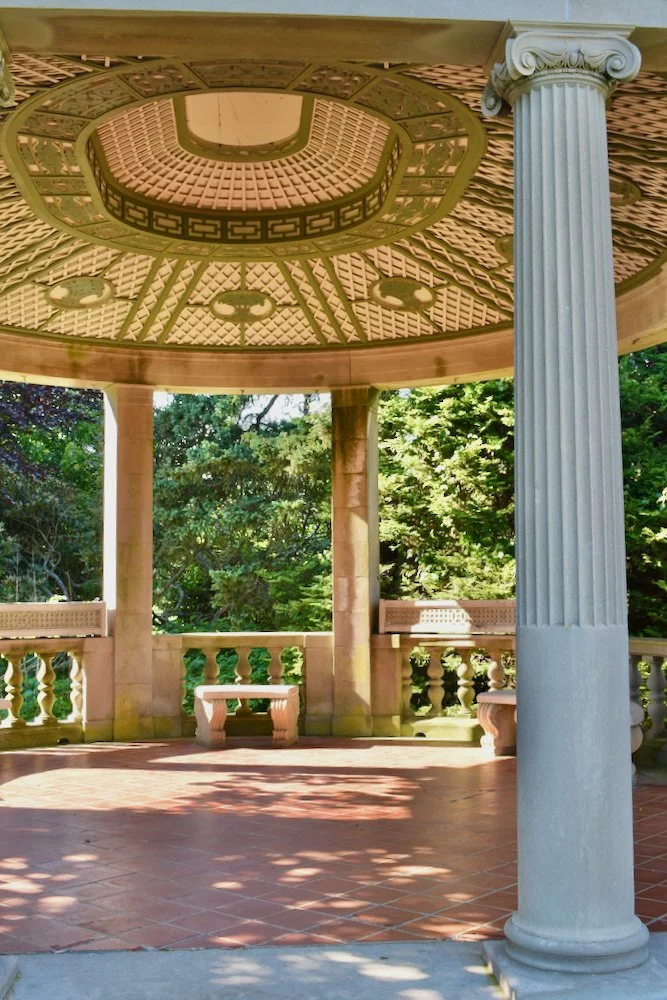
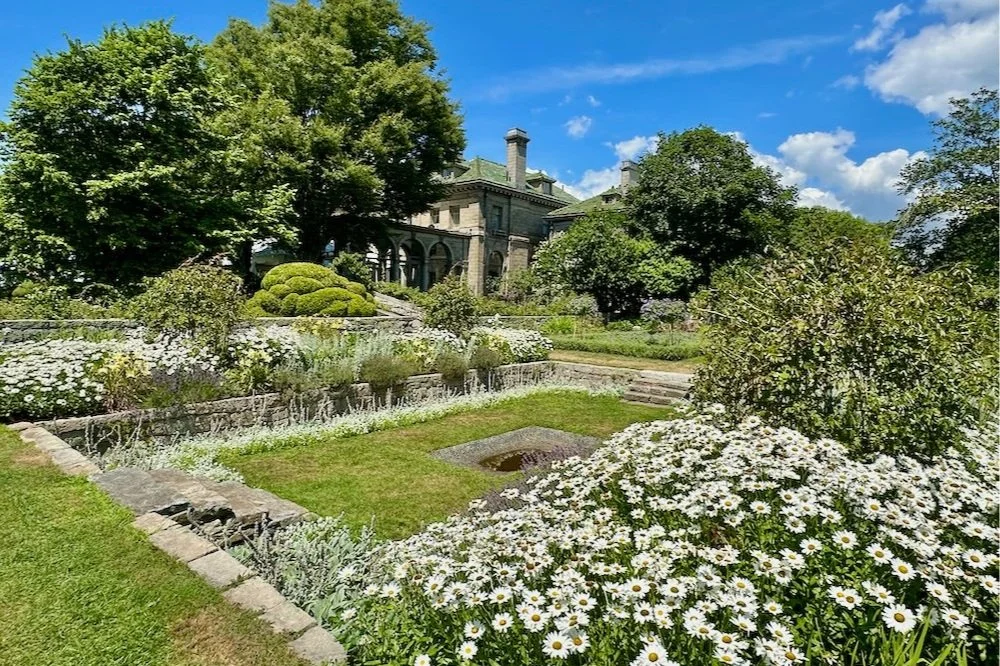
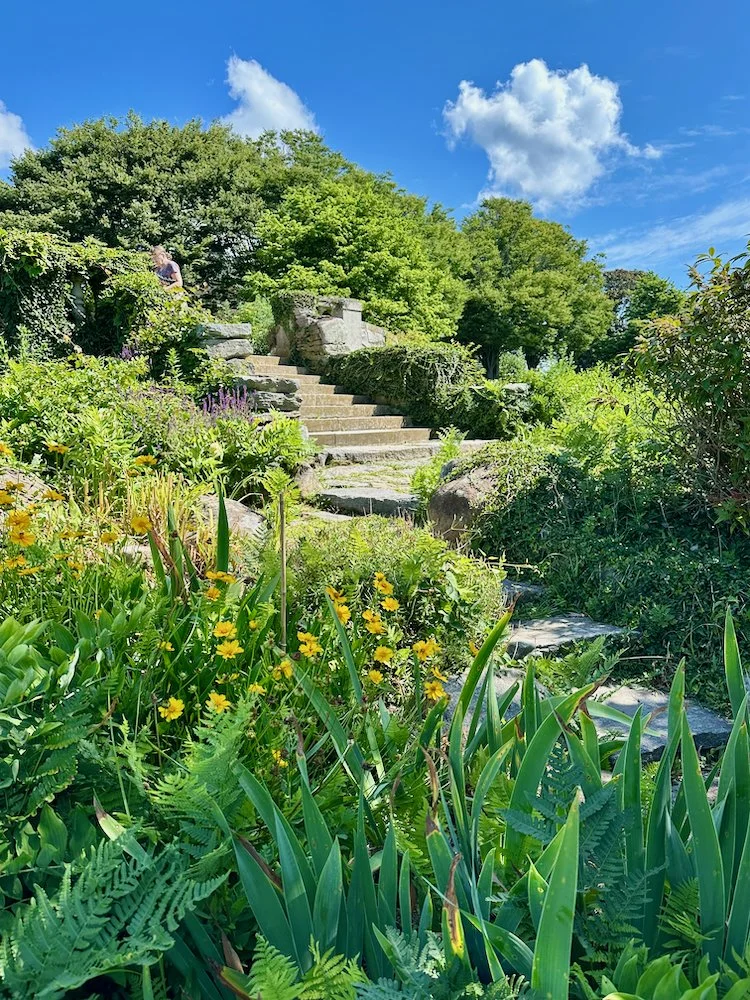
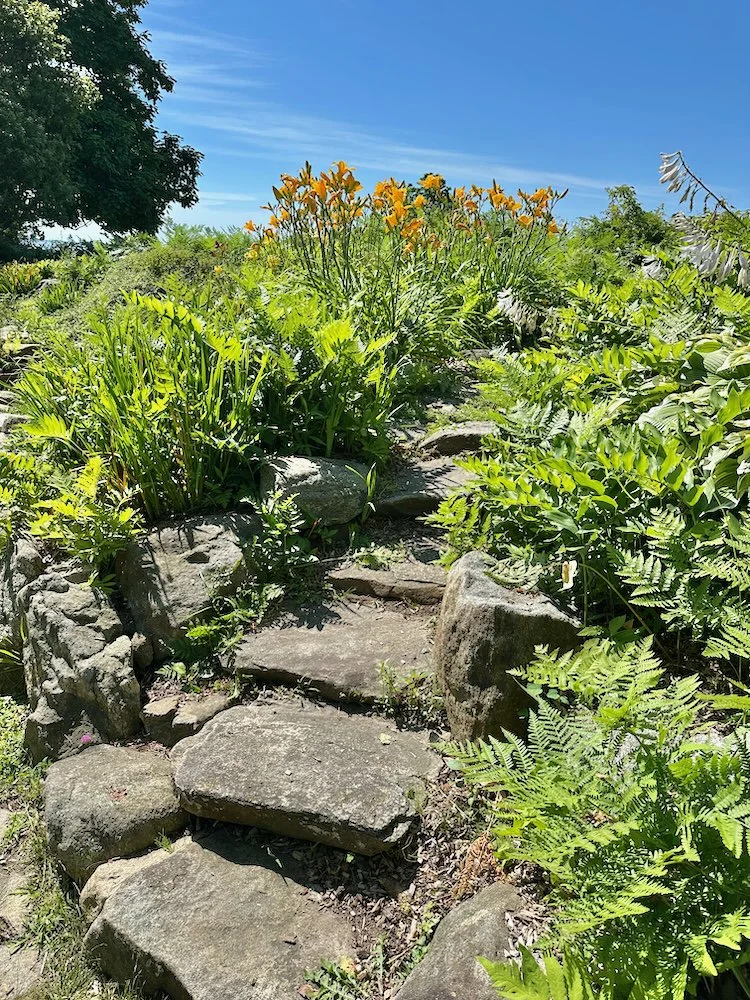
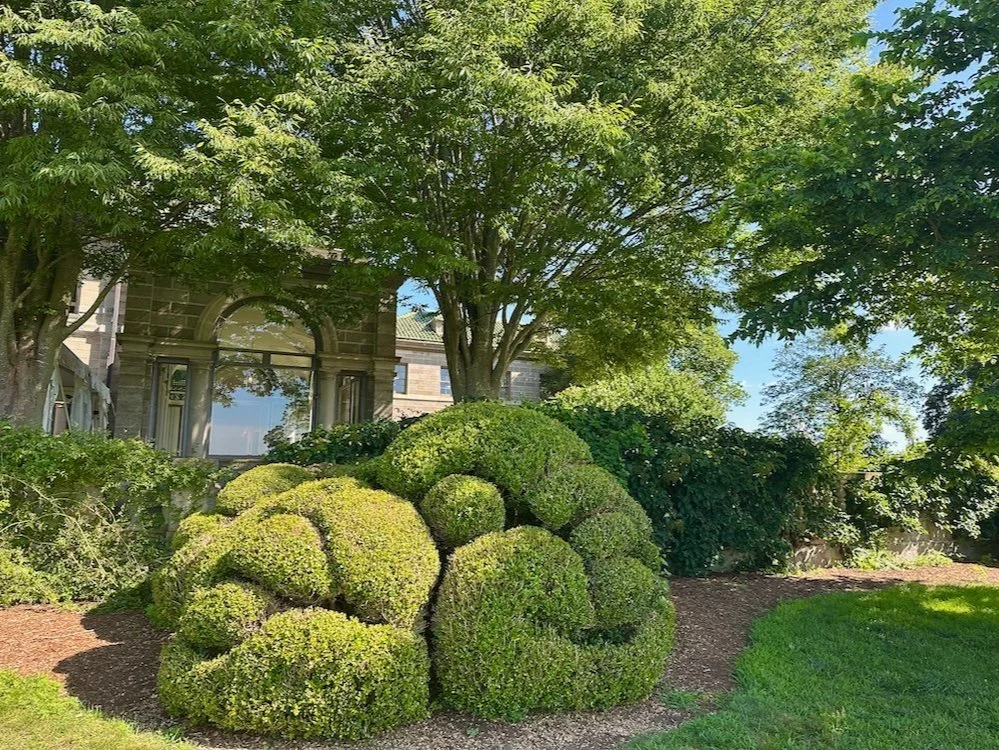
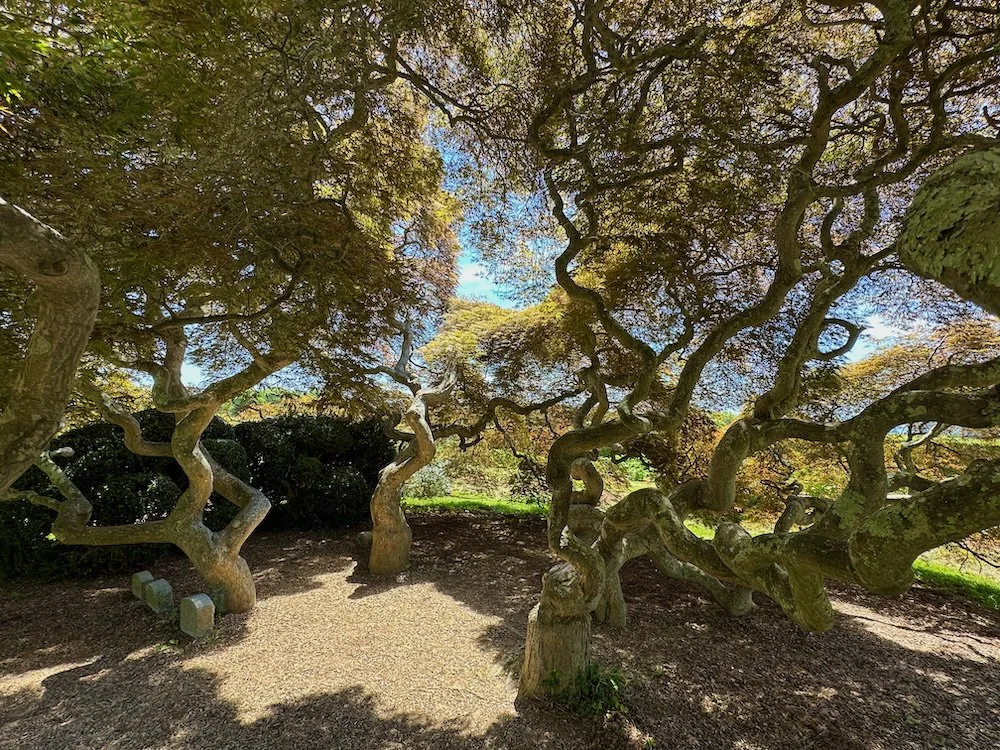
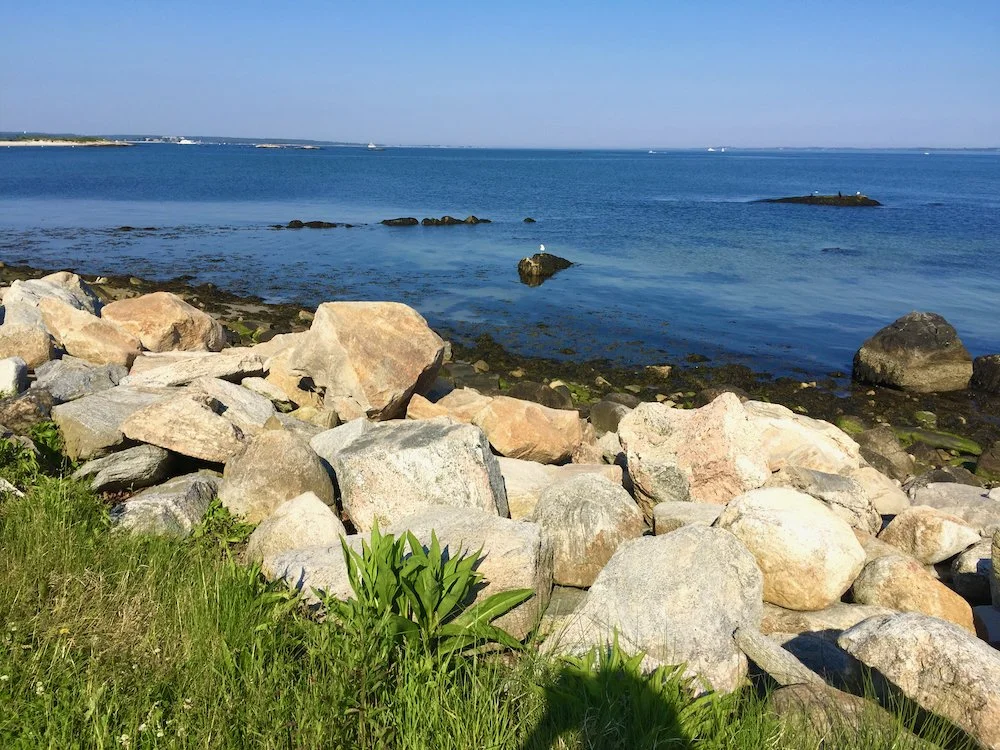
During my recent Long Island’s Splendor trip, we stopped at this historic mansion and gardens. With gorgeous views of Long Island Sound, Harkness Memorial State Park is a beautifully landscaped recreation area along the Connecticut shoreline. It was the private summer home of the Harkness family during the Gilded Age, and boasts elegant gardens designed by Beatrix Farrand.
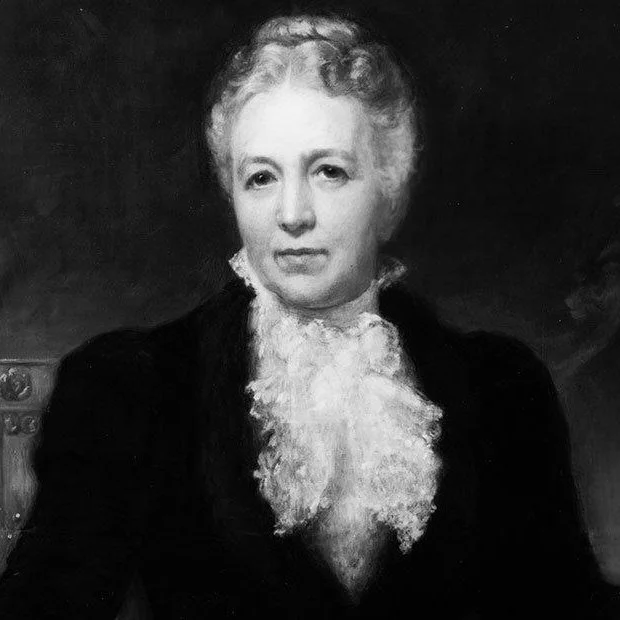
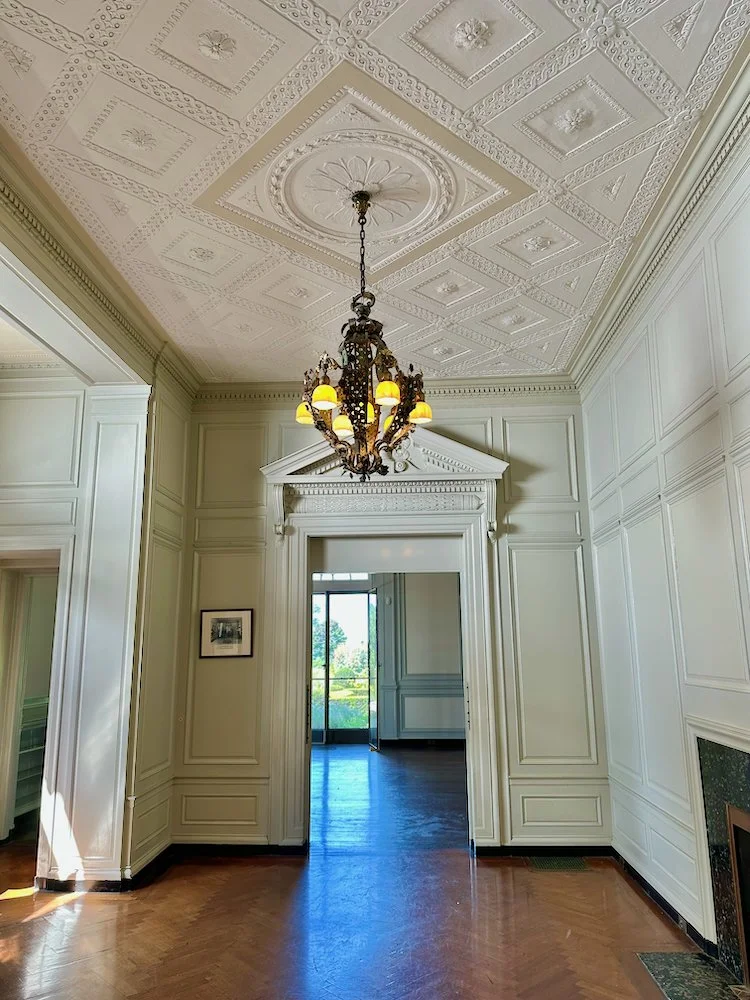
The focal point of the park is Eolia, a 42-room Roman Renaissance-style mansion built in 1906, and purchased by Edward and Mary Harkness in 1907. It was named Eolia for the island home of Aeolus, keeper of the winds in Greek mythology. The Harknesses acquired their fortune through substantial investments in John D. Rockefeller’s Standard Oil Company, and like many of the wealthy class during this period, they spent summers in the countryside.
Eolia was one of seven Harkness residences and the family’s summer retreat. The 230-acre property was a working farm with poultry, dairy cows, a vegetable garden, and an orchard. The grounds included a nine-hole golf course and a windmill that pumped water into the home’s 20,000-gallon water tank.
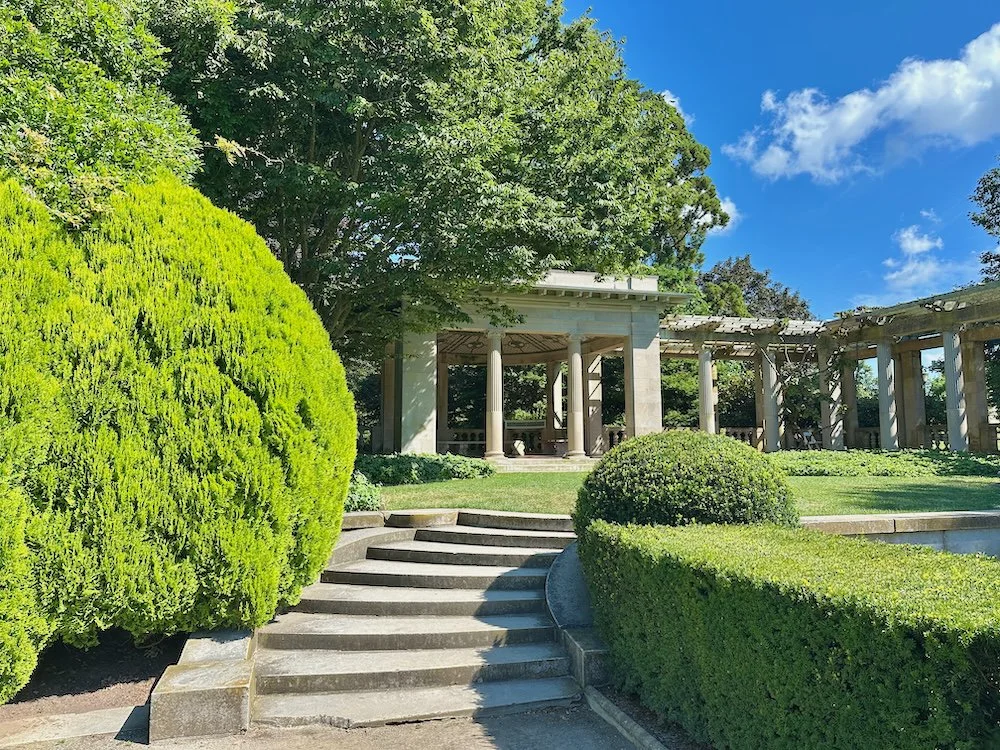
James Gamble Rogers created a grand walled garden with classical sculpture, an elevated wisteria-clad pergola overlooking Long Island Sound, tennis courts, and a lawn extending from a formal fountain court.
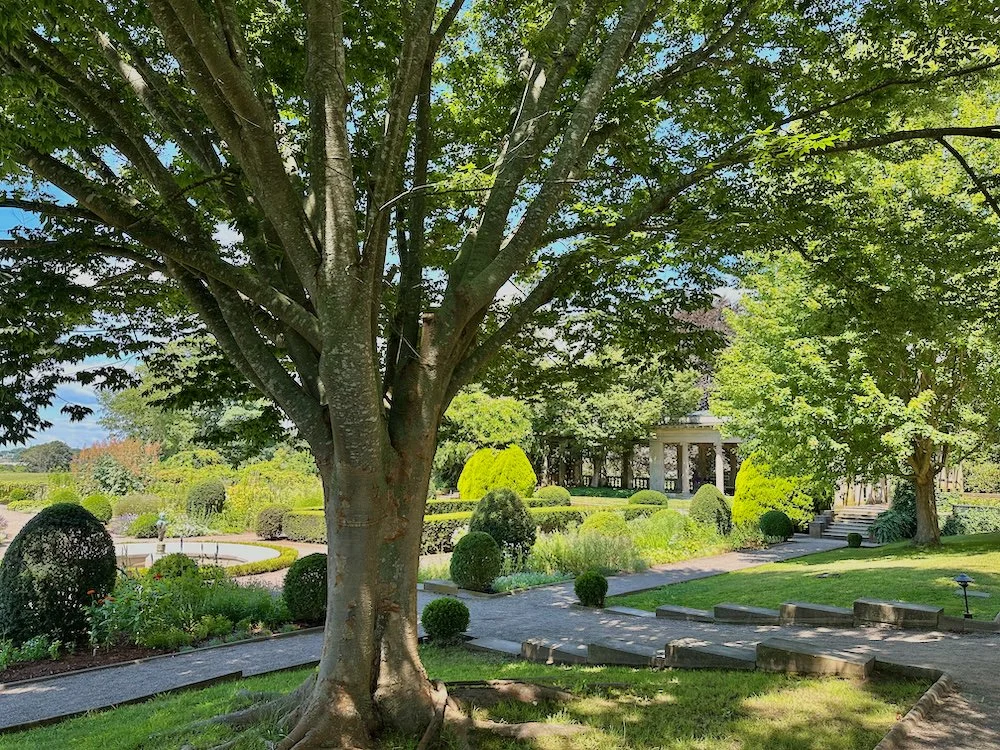
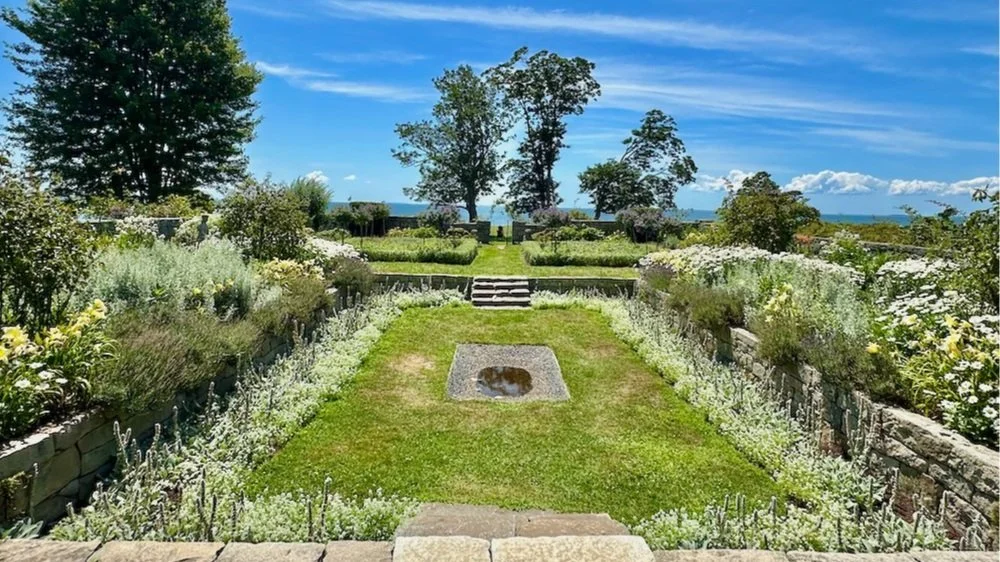
In 1919 Beatrix Farrand remodeled the gardens. She converted the tennis court into the Oriental Garden—a special setting for the family’s collection of Chinese and Korean vases and sculpture. Formal in layout, the garden featured a sunken grass panel and a central reflecting pool, and was planted with billowing flowers in soft pastels—baby’s breath, dianthus, roses, lavender, and lilies—punctuated with heliotrope standards.
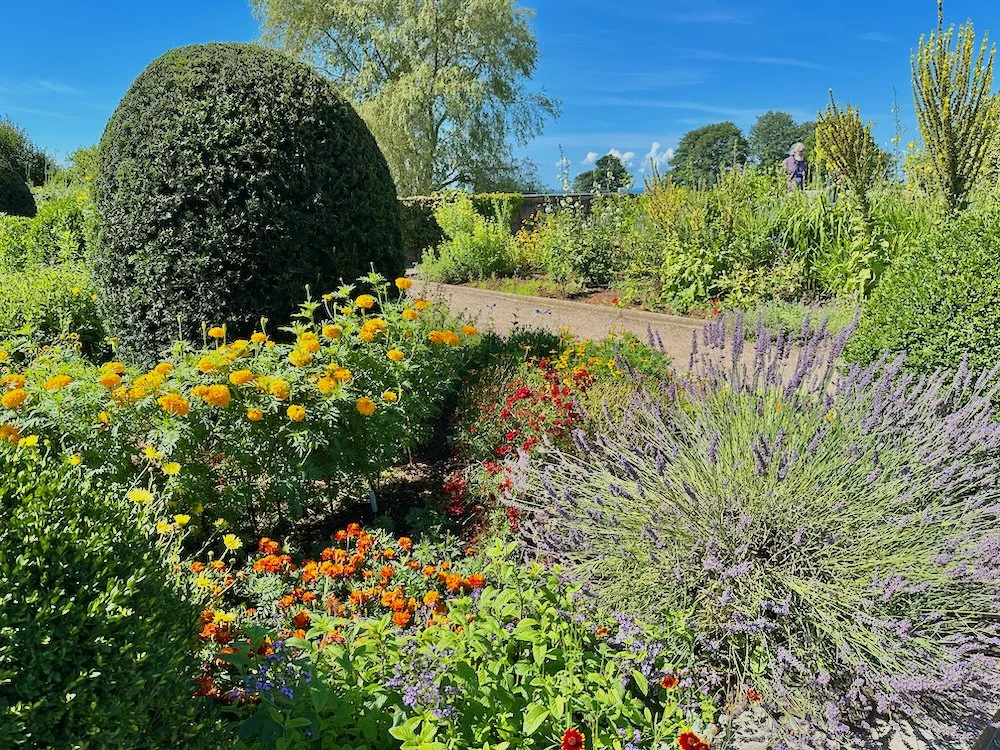
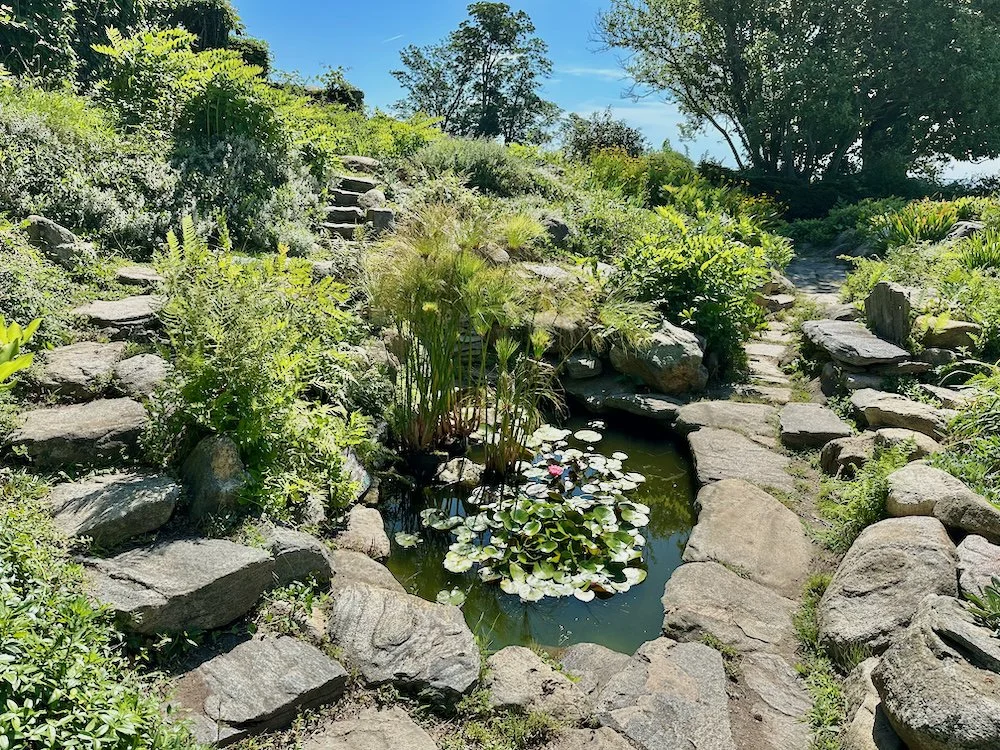
Farrand revised the West Garden to a more naturalistic planting scheme, added a boxwood parterre surrounded by a whimsical wrought iron fence, and planted a sloping rock garden with alpine plants. Upon Farrand’s retirement from practice in 1949, Marian Coffin updated the plantings in the East Garden. The gardens were faithfully restored to Farrand’s and Coffin’s plans by the Friends of Harkness in the 1990s.
The property includes the original farmhouse and servants’ quarters, as well as the remains of the windmill and the Lord & Burnham greenhouse that once provided seedlings for the Harkness gardens and later for the State Capitol and other park facilities. Mature specimen trees and the remains of a cutting garden provide a glimpse of the property’s bygone days. A stroll along the Niering Walk, a grass trail that winds through a native marsh, leads to Goshen Cove. A footpath from the imposing back lawn leads right down to the sandy beach.
Upon her death in 1950, Mary Harkness left the property to the State of Connecticut “for health purposes,” with a third designated as a summer camp for handicapped groups and the remainder as a state park.
Harkness Memorial State Park, 275 Great Neck Rd., Waterford, CT 06385, ct.gov/deep, friendsofharkness.org
A licence to dig in the Cajas region has been welcomed by some as an answer to economic woes. Yet many fear it will devastate a fragile ecosystem and set the tone for further projects in the country
Golden grasses, mossy hummocks and scattered lakes unfurl across the highlands of Macizo del Cajas, Azuay province. The vastness of this high-altitude Ecuadorian moorland combines with its near-silence to create an empty, alien atmosphere.
But this unique landscape teems with life. The páramo – a high-altitude tropical ecosystem that stretches across the northern Andes – is a living sponge, quietly drawing moisture from the clouds that drift at more than 3,000 metres (9,800ft) above sea level.
This week we have a plant that’s gone its own way, how you can know a tree as an individual and Duarte Figueiredo on the hidden complexity of plant biology.
There is a huge, beautiful madrone next to an almost as big black locust on my property. I want to remove the black locust without harming the madrone. Should I avoid using chemicals on the black locust? Or will they only harm its root system and not impact the madrone?