
Mago nashi controls auxin‐mediated embryo patterning in Arabidopsis by regulating transcript abundance
New Phytologist, EarlyView.
Stay updated with the latest developments and discoveries in the world of plants and horticulture with our News Articles category. Here, you’ll find timely updates on conservation efforts, botanical breakthroughs, gardening trends, and industry news. Whether it’s a new species discovery, tips for sustainable gardening, or global botanical initiatives, this section keeps you informed and connected to the ever-evolving plant world. Perfect for enthusiasts, researchers, and nature lovers looking to stay in the know.
We got electric installed at the land… and they had to bore under the creek to do. It. The machines tore apart our creek bank. Are there any approaches I can consider apart from just bring more dirt in on top? Seems like not much was displaced, just compacted.
submitted by /u/sammypaige
[link] [comments]
Hello guys,
I’m currently planning a bit into the future and collecting different options with some leftover areas.
One thing I’m curious about is whether trees/shrubs/perennial plants exist that are shade tolerant and can thrive on soils with no fertilizer (regulations…). For example I’m thinking of hazelnut, but I think the nut yield would be minimal/too little.
I would like to discover whether there even are options.
Excited to learn!
submitted by /u/Chonkorio_
[link] [comments]
Perennials, easy harvest, shade tolerant, no fertilizing Read More »
The full write up of the method for this experiment is here:
https://www.reddit.com/r/experimyco/comments/1jxib5q/king_stropharia_on_sawdust_and_soil_substrate/
So I’ll just summarise. All jars are filled with 140g of a sawdust and soil mix from grinding out the stump of an ash tree. Jars were filled to the brim with liquid then the excess was drained off the next day. Jars were sterilised at 15 PSI for 90 minutes and inoculated from agar. In order to compare the effect of urea in fresh urine vs ammonium hydroxide in old urine stored in bottles the liquid used to hydrate the substrate was as follows:
A, B: fresh urine at ph 7.
C: 50% fresh urine, 50% rainwater
D, E: old urine at pH ~10-10.5.
F: 50% fresh urine, 50% old urine.
G, H: rainwater.
—
The objective here is twofold: to see if using fungus to process urine is viable and to find alternative methods to increase nitrogen content in spawn.
From a self sufficiency/permaculture perspective using grain spawn isn’t really viable since if you are growing grain yourself you’re just wasting calories feeding it to fungus. Common methods of increasing nitrogen content in wood or sawdust spawn like the addition of wheat bran or soy hulls is only viable if you’re growing and processing those crops. More or less any waste plant material can be beneficial to add to the substrate but collecting, drying and cutting it can be time and energy intensive vs just throwing it in the compost. I’ve also had issues storing large amounts of dry plant material without it going moldy/attracting pests. Additionally for small jars like this lighter plant material takes up a lot of volume reducing how much wood you can add.
Therefore soaking the substrate in a waste nitrogen source like urine instead of using water seems like a good solution. The higher nitrogen content of the spawn should make for faster colonisation and better growth when spawned to bulk substrate that is rich in carbon.
—
Results so far:
The thicker white growth seen in the jars with urine is consistent with mycelial growth in a higher nitrogen substrate suggesting the fungus is able to utilise nitrogen from both urea and ammonium hydroxide. However growth in D, E and F with the ammonium hydroxide is spreading slower than the other jars. This could be the result of the high pH being less ideal for growth or may be due to the nitrogen being in a more readily available form. Similar thick white growth that doesn’t spread as rapidly can be seen if a substrate is ammended with a high nitrogen and high nutrient substance like yeast extract.
Jars A and B with the fresh urine show good growth however the best balance between thick growth and fast spread appears to be in jar C with the diluted fresh urine which is approaching full colonisation. Whether fresh or old it appears that urine can be used without dilution. So if urine recycling is the primary goal either will be fine without any water added.
Next time I’ll also try a diluted old urine and try mixing the old urine with tannins leached from bark to neutralise the liquid and increase the carbon content. I also want to try hydrating a bulk substrate with non-sterile urine to see if the bacteria introduced is adequate to trigger fruiting or if it proves detrimental.
—
Previous test:
https://www.reddit.com/r/experimyco/comments/1i8yjmm/king_stropharia_culture_on_urine_soaked_wood/
submitted by /u/MycoMutant
[link] [comments]
Using urine to grow wine caps (Stropharia rugosoannulata) Read More »
I’ve been really interested in Basketry willows as a privacy screen, potential cash crop, (cuttings sales next to a colorful display hedge as advertisement along with a display basket) and of course for basketry. I originally was also interested in them for animal feed but that might mess with the other uses. However most recources say you need to suppress weeds around them. Any ideas about compatible ground cover? I read white clover only hurt them a little, in their early establishment. Would white clover and strawberries or ground cover raspberries work? I really don’t like the idea of just bare empty ground and plastic or cardboard. We could do it maybe in the establishment phase but…
What’s the main issue with weeds? Water? Would hugelculture help?
Sunlight? If we had short companions (clover and or other groundcover and or cut it back) would that solve the issue?
Nutrients? Clover could help with nitrogen? Other trace nutrients might be trickier.
Any other thoughts?
submitted by /u/csmarq
[link] [comments]
Basket willows guilds/interplanting Read More »
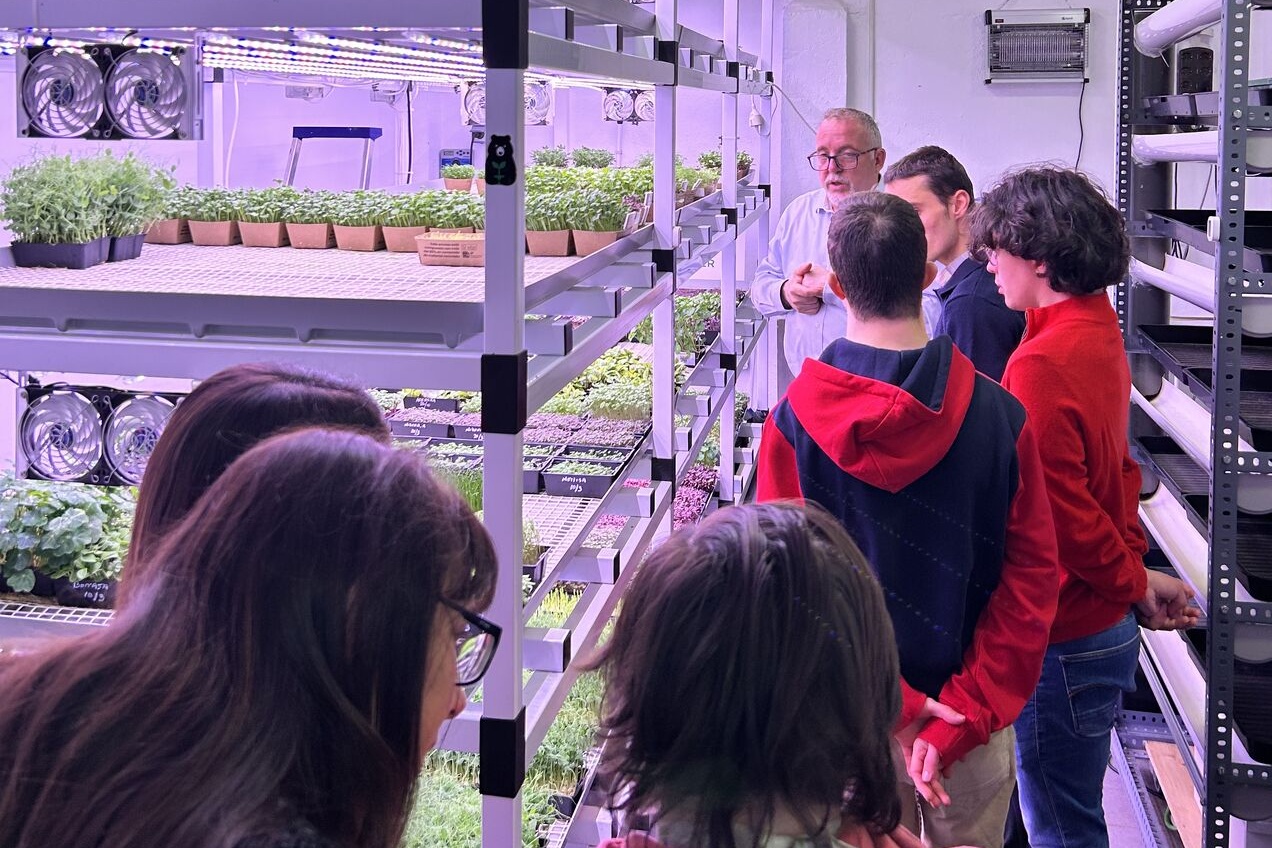
Following an announcement last September, Gaming Garden – Gamification for Accessible Vertical Farming, has officially entered its implementation phase. With a focus on accessibility, gamification, and sustainable urban food education, the initiative aims to make vertical farming education more engaging…
“Urban farming can be accessible and impactful when approached simply and inclusively” Read More »
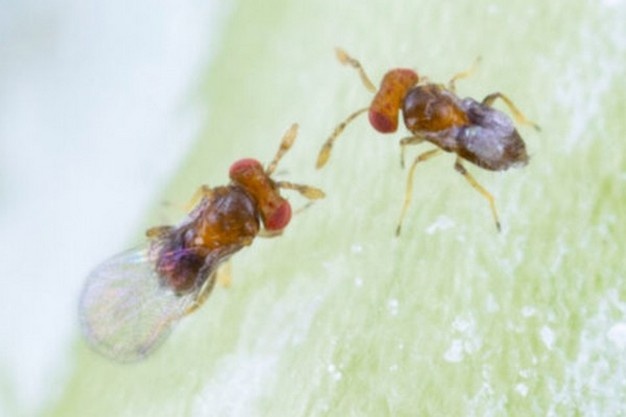
Trichogramma spp., a genus within the family Trichogrammatidae, includes about 200 described species worldwide, with approximately 30 natives to North America. Despite being smaller than a pinhead (1 mm), their ecological role is massive. “An adult Trichogramma female will locate a pest egg, inject her…
Fighting cabbage loopers with microscopic warriors Read More »
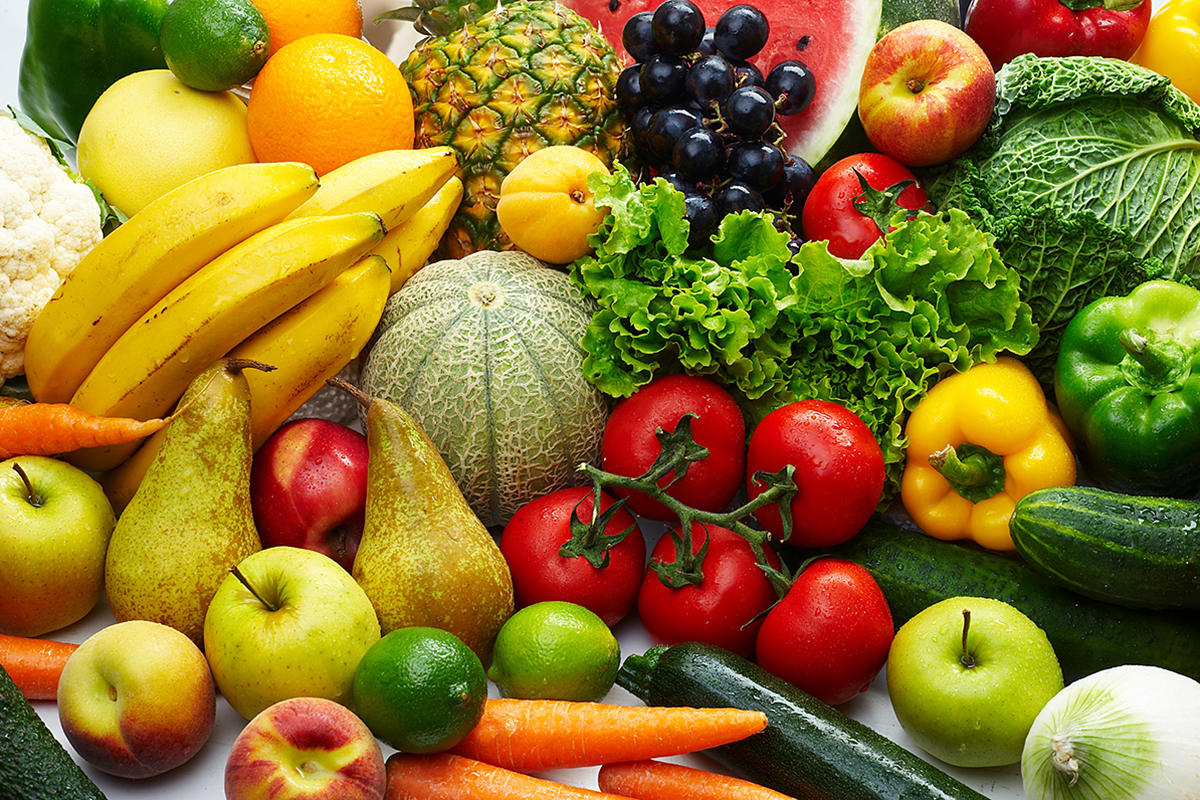
A study by Brunel University of London involving 45,000 participants aged 50+ from 26 European countries highlights a link between fresh produce intake and hospital admissions. The research shows that increased fruit and vegetable consumption correlates with fewer and shorter hospital stays, potentially…
Study links fruit and vegetable intake to reduced hospital stays and costs Read More »
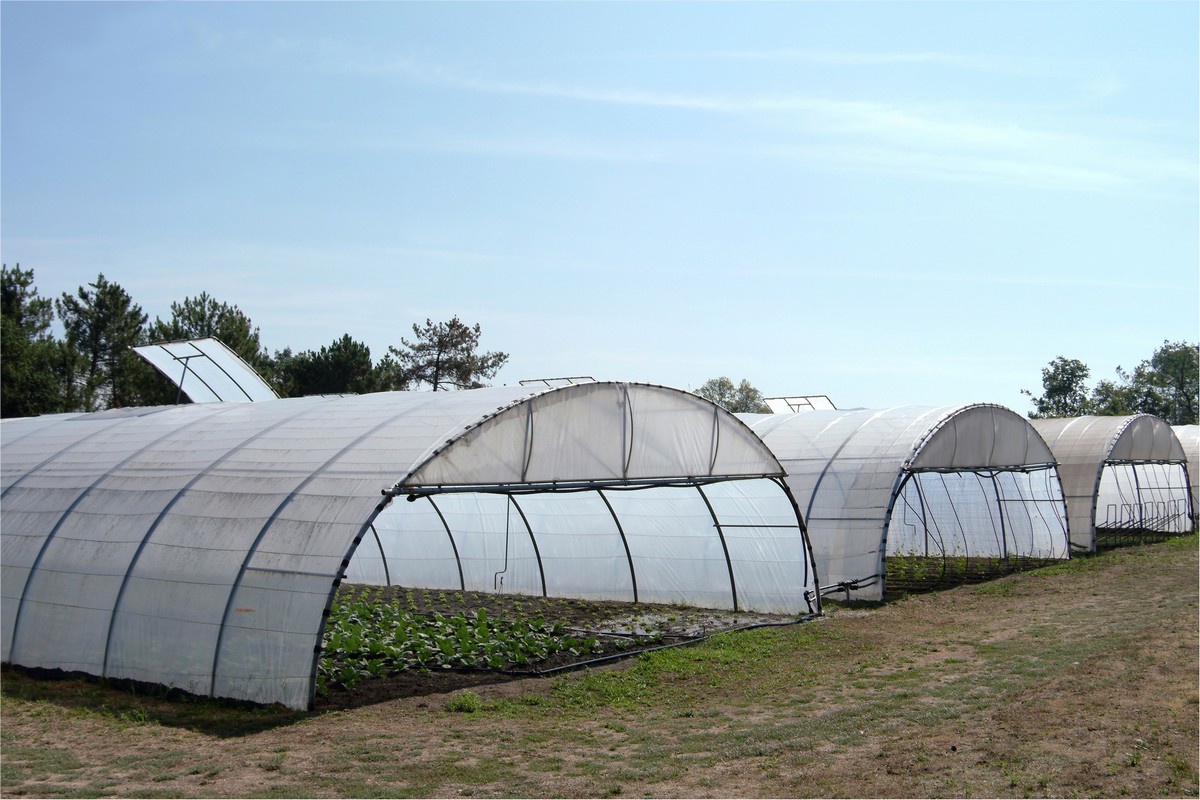
Two recent studies by the University of Tennessee (one in collaboration with the University of Kentucky) provide key insights into the evolving landscape of fruit and vegetable farming in the Southeastern United States, focusing on high tunnel production challenges in Kentucky and the adoption potential…
Study examines the challenges of high tunnel crop production Read More »
Many gardeners have noticed that grass is greener and plants look healthier after a good rain. They conclude that rainwater is better for gardens than tap water. Is that really true? Is rainwater better than tap water? Does rainwater make our gardens greener? Let’s open that umbrella and find out. Key Takeaways Are Plants Greener … Read More
The post Does Rainwater Make Plants Greener? appeared first on gardenmyths.com.
Does Rainwater Make Plants Greener? Read More »