News Articles

Stay updated with the latest developments and discoveries in the world of plants and horticulture with our News Articles category. Here, you’ll find timely updates on conservation efforts, botanical breakthroughs, gardening trends, and industry news. Whether it’s a new species discovery, tips for sustainable gardening, or global botanical initiatives, this section keeps you informed and connected to the ever-evolving plant world. Perfect for enthusiasts, researchers, and nature lovers looking to stay in the know.

– LOS OJOS AGAVE BLOOM SUMMIT – On the Trail of Bats in Agave Flowers

Considering the constant fragmentation of habitat, or in other words the lack of ecosystemic continuity, as a result of the current climate crisis and other causes; it is essential to understand the interdependence of species and the fragility of these ecological relationships. In this sense, a colorful, winged and full of flavors story is worth to be told, to understand the connection that exists between: bats, agave and the elaboration of spirits distilled from the latter; such as Bacanora, Mezcal and of course Tequila.

The post – LOS OJOS AGAVE BLOOM SUMMIT – On the Trail of Bats in Agave Flowers appeared first on Regeneration International.

– LOS OJOS AGAVE BLOOM SUMMIT – On the Trail of Bats in Agave Flowers Read More »

Help save my trees!


The fruit trees in the back corner of my yard have started to die off this summer – despite aggressive pruning and consistent watering. I live nearby a river and the soil has typically been very healthy here, so I am presuming this is a result of poison via the neighbours using weedkiller.

No, unfortunately I don’t know the neighbours and the fence is very high so the chance of asking them is close to none.

So, I’m wondering if anyone in this community has any ideas for how I can revive this plot of garden bed. Preferably quickly so I can have a chance at saving the remaining trees. Is there a way of improving the soil quality so drastically that the poison is negated?

Any help would be much appreciated!

submitted by /u/Unhappy-Oil-309
[link] [comments]

Help save my trees! Read More »

Community


We’re in the process of moving to the northwest (Oregon, Washington, northern California). How do I connect with other permaculture or small farm enthusiasts in an area? I have a good working knowledge of plants and some basic farming experience, but I’d love to connect with others so I can learn more about that specific area as I begin to plant. Any suggestions?

submitted by /u/ChaChadog2024
[link] [comments]

Community Read More »

What is DLI – the Daily Light Integral 

In the good old days, it was easier for gardeners to talk about the artificial light plants required because most gardeners used fluorescent bulbs and most manufacturers produced about the same quality of bulbs. We could easily say that, for example, African violets should be grown 6 inches below a two-bulb fixture, and that would … Read More

The post What is DLI – the Daily Light Integral  appeared first on gardenmyths.com.

What is DLI – the Daily Light Integral  Read More »

Turning a lawn into a garden (zone 7a)


Hello! We are in western Estonia, zone 7a, on one of the islands in the Baltic sea a few km inland. We have a very large, flat lawn that the previous owners mowed. It is a gigantic flat grass area, that’s it! We are keen to turn it into something more natural (it’s a fairly wild area and forest is adjacent. Trees nearby are mostly birch, hazel (?) and fir trees; one area has oaks and maybe ash.) We moved here in winter, and it is currently under snow.

What is the best path forward for naturalizing it? Getting rid of the lawn grass and turning it into a more wild ecosystem?

  • Should we try to kill the grass before planting anything else? This sub recommends things like putting out cardboard, but the area is huge.
  • There are huge piles of seaweed at the nearby seashore. Is that fine to use for mulch? Could we add it to the lawn to both kill the grass and provide food for wildflower seeds? (Or put on top of cardboard in select areas, say for a vege patch.) Should we till it, to overturn the grass?
  • We’d like to plant some trees as well, oaks, maples, maybe others. At least some that grow fast. The idea here might be the old-style ‘wooded meadow’: tall trees spaced out with wild grasses and flowers underneath: https://keskkonnaamet.ee/en/project-woodmeadowlife

Your advice is much appreciated. We’ll keep a small area of lawn, but the more we can turn back into wooded meadows in a sort of rewilding manner, the better. The adjacent forest has deer and lynx for sure; we’d like to make it attractive to wild animals, insects, other life.

submitted by /u/vintagedave
[link] [comments]

Turning a lawn into a garden (zone 7a) Read More »

Will planting a non-native food crop in my backyard hurt the ecosystem any more than the non-native grass already has?


I want to get into gardening but I also want to make sure I don’t cause any net harm on the environment by starting out.

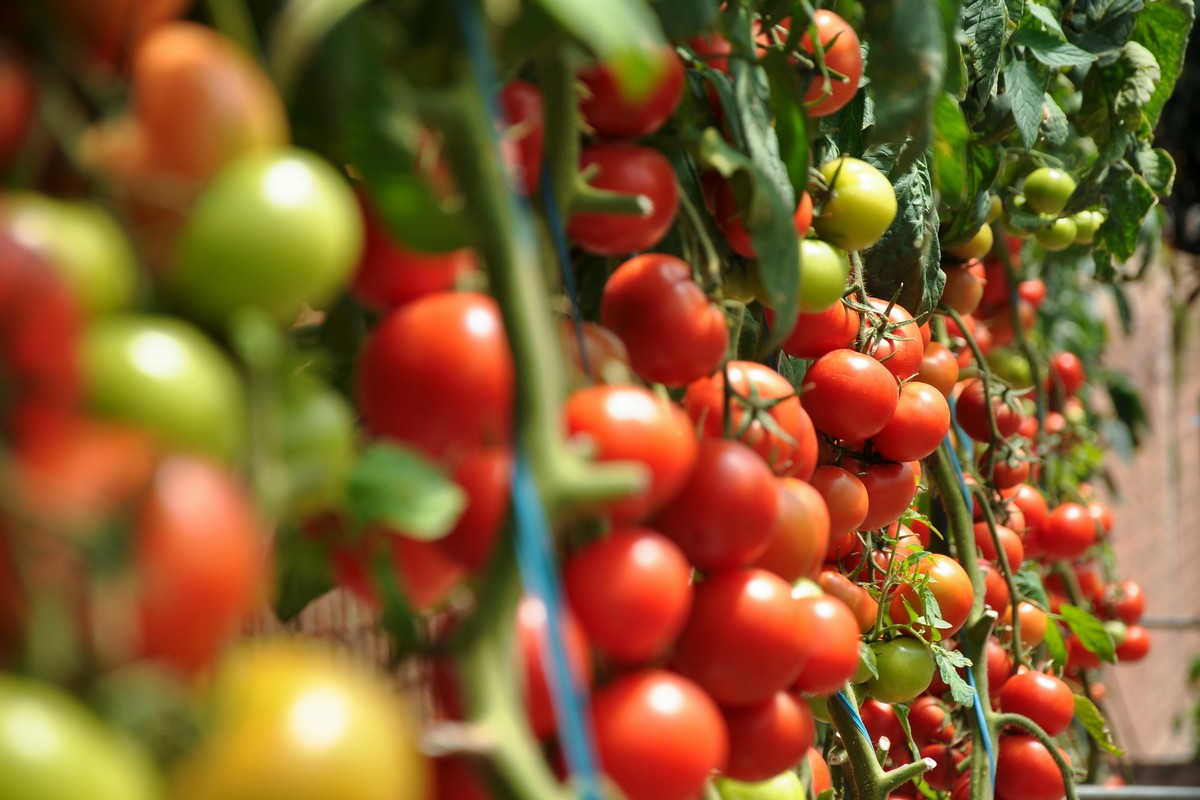
I’m thinking of just starting with a single tomato plant.

No permaculture yet because that’s too difficult. The reason I came to this subreddit is because I trust that you guys know the most about sustainable growing in general, and can tell me if I should start with a different plant.

submitted by /u/VeryInsecurePerson
[link] [comments]

Will planting a non-native food crop in my backyard hurt the ecosystem any more than the non-native grass already has? Read More »

Exit mobile version