
My first year of permaculture
submitted by /u/tronspecial924
[link] [comments]
My first year of permaculture Read More »
Stay updated with the latest developments and discoveries in the world of plants and horticulture with our News Articles category. Here, you’ll find timely updates on conservation efforts, botanical breakthroughs, gardening trends, and industry news. Whether it’s a new species discovery, tips for sustainable gardening, or global botanical initiatives, this section keeps you informed and connected to the ever-evolving plant world. Perfect for enthusiasts, researchers, and nature lovers looking to stay in the know.
Visitas: 6* By Mark H. Schmitz and Timothy P. Macafee Home to Superior Fresh and at least 60 other aquaponic producers, Wisconsin is seen as a national leader in the growing field of aquaponic food production. How has this strong presence in the industry resonated with consumers? We surveyed Wisconsin residents to better understand how […]
The post Consumer Attitudes in Wisconsin Toward Walleye and Lettuce Grown in Aquaponic Systems appeared first on Aquaculture Magazine.
Consumer Attitudes in Wisconsin Toward Walleye and Lettuce Grown in Aquaponic Systems Read More »
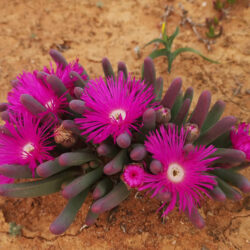
Argyroderma fissum is a dwarf succulent that forms a dense clump of pairs of finger-shaped leaves. It can reach up to 12 inches (30 cm) …
The post Argyroderma fissum appeared first on World of Succulents.
Please click “Continue Reading” for a more detailed description, scientific and common names, scientific classification, origin and habitat, care tips, and photos!
Argyroderma fissum Read More »
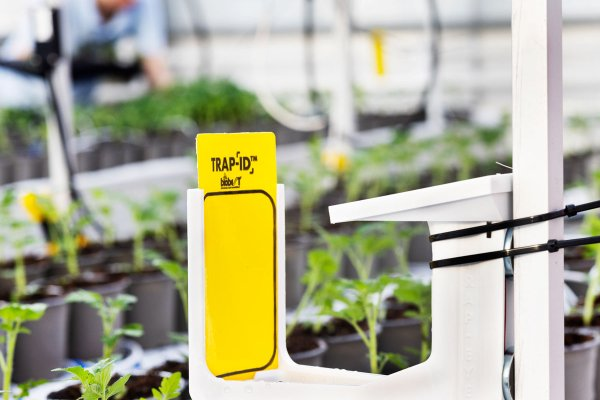
This year, crop protection was part of the recently completed Autonomous Greenhouse Challenge for the first time. By recommending the correct type and number of biological control agents against whitefly, teams could earn points every week which were included in the final score of the Challenge. Denise…
A focus on biological crop protection Read More »
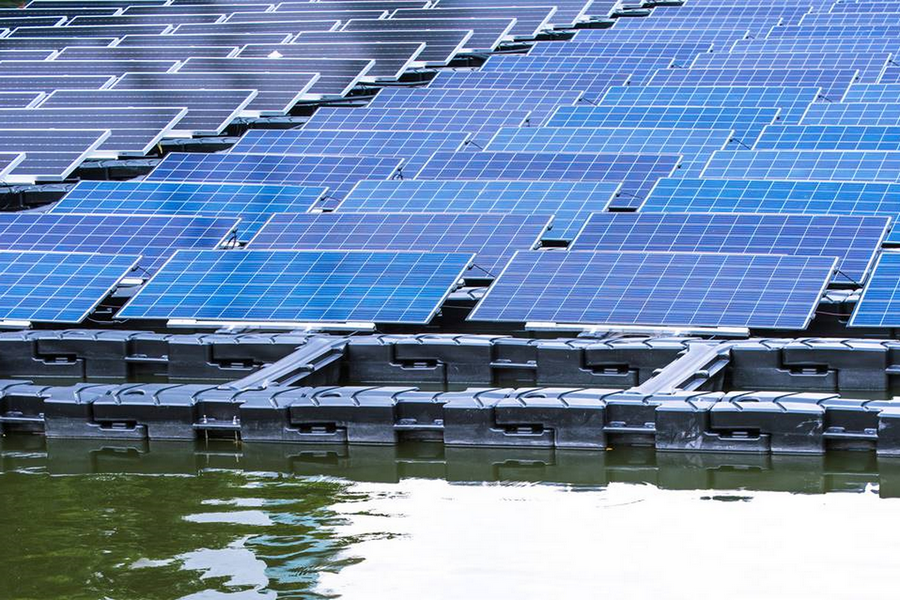
This study addresses solar energy applications in protected agriculture, focusing on greenhouses and related technologies. A bibliometric and technical analysis is developed, covering research published between 1976 and 2024, to identify the main trends and challenges in the use of solar energy in…
Study reviews solar energy applications in agriculture Read More »
A major global study using teabags as a measuring device shows warming temperatures may reduce the amount of carbon stored in wetlands. The international team of scientists buried 19,000 bags of green tea and rooibos in 180 wetlands across 28 countries to measure the ability for wetlands to hold carbon in their soil, known as wetland carbon sequestration.
Warming temperatures may shrink wetland carbon sinks Read More »
Eating a diet with a higher ratio of plant-based protein to animal-based protein may reduce the risk of cardiovascular disease (CVD) and coronary heart disease (CHD), according to a new study. According to the researchers, these risk reductions are likely driven by the replacement of red and processed meats with plant proteins. The researchers also observed that a combination of consuming more plant protein and higher protein intake overall provided the most heart health benefits.
Higher ratio of plant protein to animal protein may improve heart health Read More »
Building on the legacy of its predecessor, which was also constructed by Tersan Shipyard and delivered in 2015, the new Leinebris incorporates state-of-the-art technology and a sustainability-focused design. The 67.3 meter-long and 15-meter-wide vessel is set to redefine fishing practices by integrating three distinct methods – long lining, seining and net fishing – into one platform. This versatility not only optimises efficiency but also reduces the environmental impact by allowing the skipper to select the most eco-friendly method for any given operation.
The new Leinebris is powered by a diesel-electric propulsion system supported by PU115 azimuth and AR63 retractable azimuth combi thrusters, ensuring precise manoeuvrability. Its innovative steering system, which includes the BrunCon PTC and BrunCon JS with Position Hold and the Brunvoll Fishpilot system, further enhances navigational control and efficiency.
Incorporating a large onboard battery pack and three diesel-electric generator sets, the vessel maximises energy efficiency. Additionally, its fully electric deck equipment and winches exemplify its commitment to minimising energy consumption while maximising onboard power utilisation. RSW tanks are also installed to maintain the freshness of live fish during transport, ensuring top-quality seafood production.
Safety and comfort for the crew have been prioritised in the design. The vessel features double cargo decks, covered working decks and a moonpool to enhance safety during operations in challenging conditions. With accommodations for up to 25 personnel, the Leinebris offers a high standard of living quarters, reflecting modern expectations for crew welfare.
Paul Herald Leinbø, representing Leinebris AS, expressed pride in the vessel’s launch, emphasising its role in supporting sustainable fisheries while maintaining top-quality seafood production. “This is a proud moment for us. I want to thank Tersan and the rest of our team who believe in us. With this new build, we will harvest the finest Norwegian whitefish for years to come, whilst also meeting our sustainability targets and reducing our marine footprint,” he stated.
The vessel’s sustainability features align with global calls for greener practices in the maritime and fishing industries. By enabling efficient resource management and minimising environmental impact, the Leinebris is poised to inspire environmentally conscious food choices and reinforce Norway’s status as a leader in sustainable seafood production.
Mehmet Gaziogğlu, CEO of Tersan Shipyard, highlighted the significance of this project and the longstanding partnership with Leinebris AS. “Eight years after the delivery of the first Leinebris, it is both a great honour and pleasure for us to be awarded as the builder of the new vessel. We believe she will be revolutionary vessel for the fishing sector, continuing the pioneering legacy of Leinebris AS,” he remarked.
The vessel’s design, crafted by Skipsteknisk, embodies the culmination of advanced maritime engineering and environmental stewardship. The collaboration between Tersan Shipyard, Leinebris AS and Skipsteknisk underscores the power of partnership in driving innovation within the industry.
The new Leinebris is slated for delivery in 2025, ready to set sail and redefine standards in the fishing industry. With its innovative design and commitment to sustainability, the vessel is expected to enhance resource management in fisheries and contribute to the global shift toward greener practices in seafood production.
This launch marks yet another chapter in Tersan Shipyard’s commitment to advancing maritime innovation and sustainability, solidifying its position as a leader in constructing environmentally responsible vessels. As the Leinebris prepares for its maiden voyage, it stands as a beacon of progress and a model for the future of fishing.
The Aquaculturists
Tersan Shipyard, Türkiye launches groundbreaking sustainable fishing vessel ‘Leinebris’ Read More »
We had our first frost early this morning with a brief low of 27F, it really is winter now (meteorological winter begins on December 1). I’m still trying to be better about embracing the garden in all seasons, so, to that end, here are a few photos taken at the end of November/beginning of December. We start in the front garden…
Mahonia nervosa wins for fabulous cool-weather foliage color. That’s another shot of A. x densiflora ‘Harmony’ in the background.
The Fuchsia procumbens has lost nearly all it’s leaves, but there are many colorful berries left behind, I wonder how easy this plant is from seed?
Both Trachelospermum asiaticum ‘Red Top’ in my garden have colored up as never before.
Myriopteris tomentosa / Cheilanthes tomentosa (I think? I get these dryland ferns mixed up). The texture of these fronds is like a million tiny pebbles glued in place.
The driveway plantings feel so bare to my eyes.
Looking to the left, Arachniodes simplicior ‘Variegata’.
Rhododendron ‘Ebony Pearl’
Hedera colchica ‘Sulphur Heart’, winter color.
This area along the back of the house has really benefitted from increased light after last winter took out parts of the Callistemon viridiflorus and knocked the Callistemon ‘Woodlander’s Hardy Red’ back to the ground.
Athyrium niponicum ‘Godzilla’
That color!
Another painted fern, one whose specific name I lost track of a long time ago.
Edgeworthia chrysantha ‘Akebono’. The rest of those leaves (last year’s) will soon fall but the blooms won’t open until March.
The potted pseudopanax/carnivorous plants that filled the bench in the summertime have moved to protected spots, now it’s all about the pyrrosia.
Behind the bench, Polygonatum kingianum.
Those little curly hooks send me, how cute are they?
There’s fruit too!
Hakonechloa macra
Close-up of the previously mentioned pyrrosia…
Fantastic pyrrosia variegation.
Loquat (Eriobotrya japonica) blooms, another hummingbird favorite.
Looking over to the shade pavilion in it’s greenhouse form.
The leathery leaves of podophyllum in their autumn colors.
The stems that held the flowers, and then the fruit, almost look like they might start moving about, like under-sea creatures.
Mahonia eurybracteata ‘Indianola Silver’ backed by small M. eurybracteata ‘Cistus Silvers’ and M. x media ‘Marvel’.
And the golden fronds of Osmunda regalis wrap up this post.
There is a trend towards a more native gardening style and in general that is good for the environment and wildlife diversity. However, this has lead to a number of myths about this style of gardening and many people are now over-hyping its benefits. What does science tell us about native wildlife gardens? Traditional Gardens … Read More
The post Native Garden Myths appeared first on gardenmyths.com.
Native Garden Myths Read More »